
Balanced Meals: Start with balanced meals that include a mix of lean proteins, complex carbs, and healthy fats to fuel your body effectively.
Portion Control: Watch your portion sizes to avoid overeating. Using smaller plates can help you control your portions.
Stay Hydrated: Drink plenty of water throughout the day to stay hydrated and support your metabolism.
Include Fiber: Incorporate high-fiber foods like fruits, vegetables, and whole grains to aid digestion and keep you feeling full.
Protein Intake: Consume an adequate amount of protein to support muscle growth and repair. Sources can include lean meats, beans, and dairy.
Limit Processed Foods: Minimize your intake of processed and sugary foods, which can lead to weight gain and health issues.
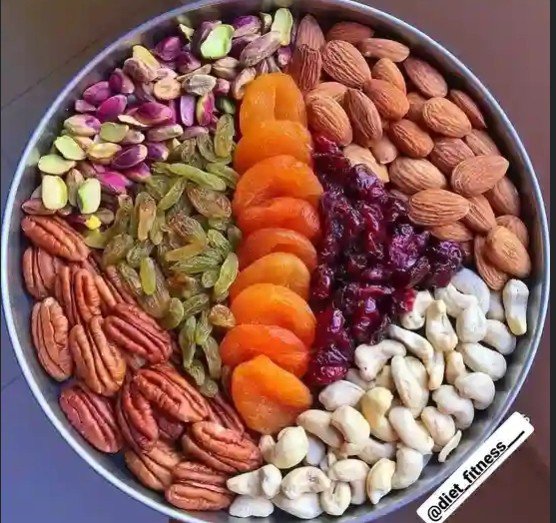
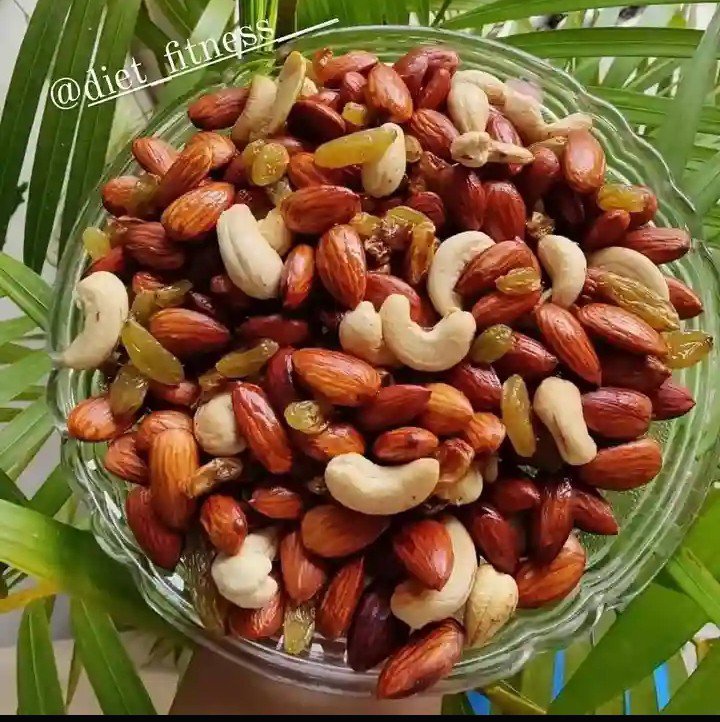
Healthy Snacking: Opt for healthy snacks like nuts, yogurt, or fruits to curb cravings without resorting to junk food.
Regular Eating Schedule: Maintain a consistent eating schedule to keep your metabolism steady and avoid overeating.
Mindful Eating: Pay attention to your body’s hunger and fullness cues, which can help prevent unnecessary calorie intake.
Variety is Key: Mix up your diet with a variety of foods to ensure you get a wide range of nutrients for overall health.
 fitnesshubs
Leave a comment